Electrical Socket Installation in Birmingham
Book Today • Attend Today • Upfront Quote Before Work • We Add or Replace Sockets, Check Load, and Test Polarity and RCD Protection
Electrical Socket Installation in Birmingham – New, USB, Outdoor & Relocation Services
Lockman Locksmiths Birmingham provides certified electrical socket installation services across Birmingham, helping homeowners, landlords, and businesses stay safe and connected. Whether you need new socket points, repositioning of existing outlets, or modern features like USB or smart control, our experienced electricians ensure fully compliant, tidy installations.
It's important to plan ahead when considering new plug sockets, as this helps ensure cost-effectiveness, future-proofing, and smooth coordination with any other work such as wall repairs.
From one-off additions—whether you need a single socket installed or multiple new plug sockets—to full-room upgrades or external power needs, we deliver smart, practical solutions.
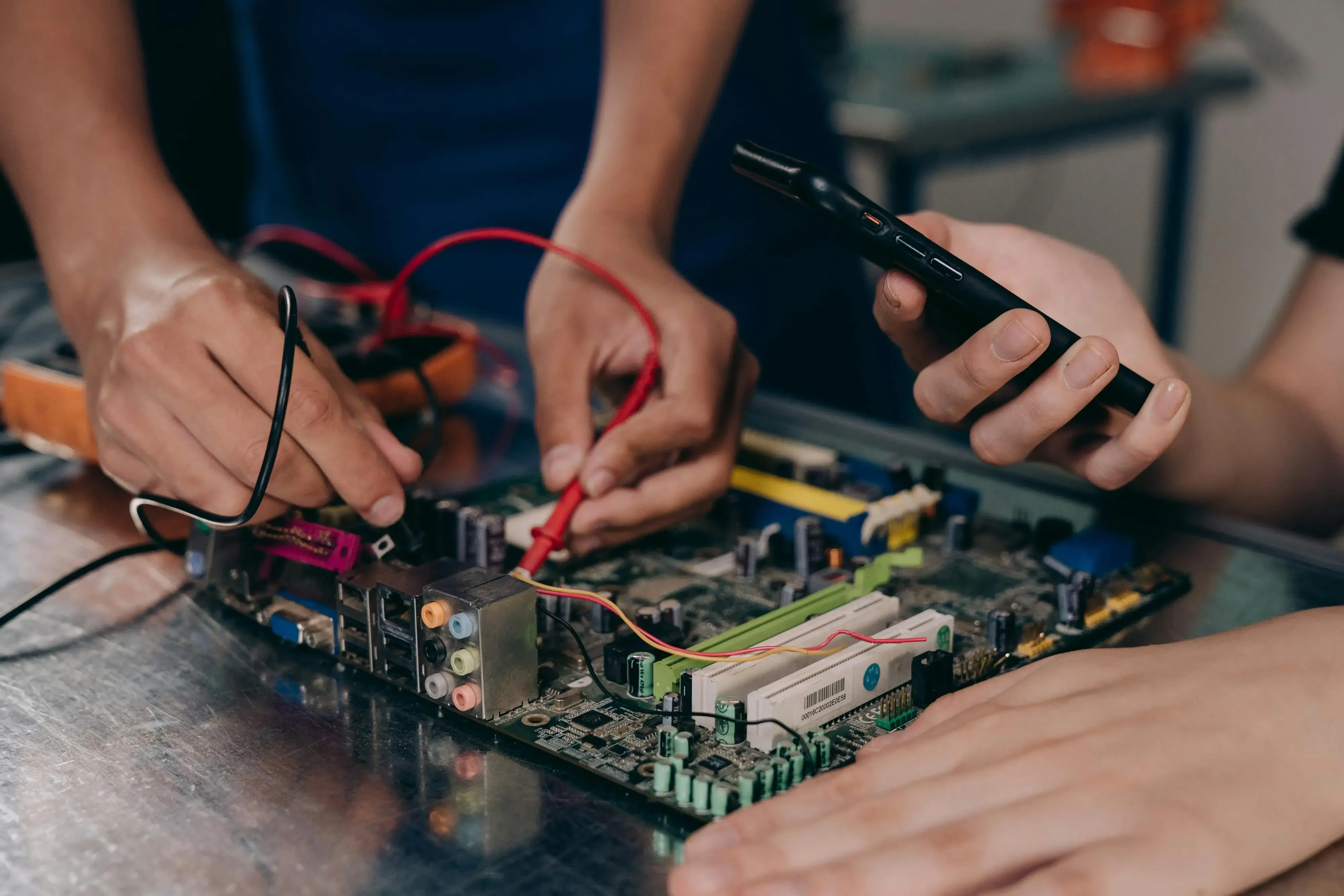
Types of Electrical Sockets We Install
- Standard 13A twin and single plug sockets (includes both single sockets and double sockets; double sockets offer greater convenience and are ideal for future-proofing your home)
- USB charging sockets (USB-A / USB-C) (a USB socket is a convenient option for charging devices like smartphones and tablets)
- Outdoor sockets with IP66 weatherproof protection (an outdoor socket is essential for powering external appliances such as lawnmowers and hot tubs)
- Smart Wi-Fi sockets (app or voice-controlled)
- Cooker sockets, fused spurs, and isolators
- Metal-clad, decorative, or screwless faceplates
All sockets are installed with safety testing and certification to BS 7671 and Part P where applicable.
Single sockets are suitable for individual appliances, while double sockets provide more flexibility and are a cost-effective upgrade for most households. Upgrading from single sockets to double sockets can improve functionality and convenience.
Socket Installation, Upgrade & Relocation Services
Installing sockets in new positions is more complex than simply replacing an existing socket, as it often requires extra wiring and strict adherence to electrical safety regulations, especially when running a spur socket from an existing socket.
Where We Install Sockets
- Living rooms and AV walls
- Kitchens and utility areas
- Bedrooms with USB or smart control
- Loft conversions and garden offices
- Outdoor patios, sheds, and driveways
- Offices, reception desks, and retail fit-outs
We help you plan placement for safety, convenience, and appearance.
Why Install Additional Electrical Sockets?
- Avoid dangerous overloading of extension leads
- Improve accessibility by adding sockets at usable heights
- Power new appliances or equipment
- Prepare for smart home or EV charging upgrades
- Bring older properties up to modern standards
We evaluate circuit condition and capacity before every install.
Fuse Box, Consumer Unit & Circuit Breaker Considerations
When planning to install a new plug socket, it's vital to consider the role of your fuse box, consumer unit, and circuit breaker in maintaining electrical safety. The consumer unit—often found near the front door or in a utility area—manages all the circuits in your property. Before any electrical work begins, a professional electrician will always ensure the power is switched off at the consumer unit, isolating the correct circuit breaker to prevent accidental shocks or power surges.
If you're adding a new plug socket or several new sockets, your existing fuse box or consumer unit may need to be assessed to confirm it can handle the extra load. This is especially important for high-demand appliances or if your current system uses older fuses rather than modern micro circuit breakers. Upgrading your consumer unit not only supports additional sockets but also brings your installation in line with the latest building regulations and electrical safety standards. Always consult a qualified electrician to ensure your sockets are installed safely, your system is correctly wired, and your home remains protected.
Hidden Pipes and Labour Costs in Socket Installation
The overall cost of installing a new plug socket can vary depending on what's hidden behind your walls. Both solid wall and stud wall installations may require tools like a hammer action drill or pad saw to create space for the mounting box. However, if there are hidden pipes or cables, the job becomes more complex and labour costs can increase.
A professional electrician will use a pipe and cable detector to scan for any hidden obstacles before cutting into the wall, helping to avoid costly damage and ensuring a safe installation. If you're planning to add more sockets, it's wise to consider not just the price of the socket itself, but also the potential for extra labour if hidden pipes are discovered. By planning ahead and working with a qualified electrician, you can save money by preventing unexpected repairs and ensuring the mounting box fits snugly without damaging existing wiring or plumbing. Factoring in these considerations helps keep your overall cost under control and ensures your new plug socket is installed safely and efficiently.
Socket Installation Process
- Survey & Planning – Assess socket needs, layout, and circuit access. Evaluate wall materials (such as lath and plaster or drywall) to determine the best installation method. Use a hammer handle to tap the wall gently and help locate studs or framework behind the surface.
- Positioning – Agree on height, spacing, and appearance. Use a spirit level to ensure the back box is perfectly level. Mark the box outline on the wall for accuracy. Drill guide holes in diagonally opposite corners of the outline for precise cutting. Wrap masking tape around the drill bit as a depth guide to avoid over-drilling.
- Installation – If replacing an old socket, carefully remove it first. Check for two cables or three cables entering the box to determine the circuit type and suitability for spurs. For masonry walls, use a club hammer to remove plaster or brick as needed. Fit a cavity fixing box or back box, ensuring securing lugs are tightened and the box is installed to a slightly greater depth if required. Prepare the wires, strip the copper wire, and connect the wire ends to the appropriate terminals, including earth terminals, for safety. Fit the new faceplate using new screws or original screws if the new ones do not fit.
- Testing – Use a socket tester to double check that the socket is correctly wired and safe before making final connections.
- Certification – All final connections are verified for safety and compliance, and a Minor Works Certificate is issued for all additions or modifications.
Our work is neat, fully tested, and guaranteed.
Socket Compliance & Safety Standards
- BS 7671 18th Edition Wiring Regulations
- IEE Wiring Regulations compliance
- Part P Building Regulations
- IP66-rated protection for outdoor power
- RCD protection requirements for all new sockets
- Socket height and safe zone rules for rewires and new builds
Every installation is tested for safety and documented with certification. Installations may require notification to the local authority, and safety precautions are always followed to ensure compliance with legal and safety standards.
Electrical Socket Maintenance Tips
Keeping your electrical sockets in top condition is essential for both safety and performance. Avoid plugging too many devices into a single socket, as overloading can cause overheating and damage, potentially leading to a faulty socket or even an electrical fire. Regularly check your sockets for signs of wear, such as loose terminal screws, scorch marks, or a socket faceplate that feels warm to the touch. If you notice any issues, it's important to have a professional electrician or qualified electrician inspect and replace the socket as needed.
To maintain your sockets, keep them clean and dry, and never force plugs into socket outlets. Make sure all connections are secure and that the socket is correctly wired according to building regulations. Routine maintenance not only extends the life of your electrical sockets but also helps prevent faults, reduces the risk of electrical shocks, and can save you money by avoiding costly repairs in the future. If in doubt, always seek expert advice to keep your home's electrical system safe and reliable.
Socket Installation Prices in Birmingham
| Service Type | Price Guide (Incl. VAT) |
|---|---|
| Standard twin socket install | From £85 |
| USB-A or USB-C socket install | From £105 |
| Outdoor IP66 socket install | From £135 |
| Smart Wi-Fi socket install | From £130 |
| Cooker point / FCU | From £95 |
| Socket relocation (same wall) | From £95 |
| Relocation (different wall) | From £125–£165 |
| Multi-socket upgrades (3+ points) | Custom quote |
Why Choose Lockman Locksmiths Birmingham?
NICEIC/NAPIT certified installers
Full testing and certification included
Experience across homes, rentals, and businesses
Clean, discreet and efficient work
All jobs documented and regulation compliant
Free quotes and professional advice
Electrical Socket Installation in Birmingham – Frequently Asked Questions
Can I install USB sockets in place of regular ones?
Yes, USB sockets can replace most existing points, but we confirm space, load, and protection before installation.
Are outdoor sockets safe in all conditions?
Outdoor sockets must be IP66 rated and protected by an RCD to ensure safe use in all weather.
Can sockets be moved across a room?
Yes, we can reroute wiring as needed. The final method depends on wall construction and layout.
Do I need a certificate after adding sockets?
Yes. We provide a Minor Works Certificate confirming the work meets UK wiring regulations.
Is it worth upgrading to smart sockets?
Smart sockets add app and voice control, timers, and energy monitoring—great for convenience and automation.
How long does socket installation take?
Most single socket installations take 1-2 hours. Multiple sockets or complex relocations may take longer depending on wiring requirements.
Can you install sockets in kitchen splashbacks?
Yes, we can install sockets in various wall types including kitchen splashbacks, using appropriate tools and techniques for each material.
Do I need planning permission for new sockets?
No planning permission is needed for socket installations, but the work must comply with Building Regulations Part P and be carried out by a qualified electrician.
What's the difference between USB-A and USB-C sockets?
USB-A is the traditional rectangular port, while USB-C is the newer reversible connector that offers faster charging and data transfer. We can install either type based on your needs.
Can you match existing socket styles?
Yes, we can source and install sockets to match your existing style, or help you choose complementary designs for a cohesive look.
Are there restrictions on socket placement?
Yes, sockets must be installed in safe zones and at appropriate heights for accessibility and safety compliance, particularly in kitchens and bathrooms.
Do outdoor sockets require special wiring?
Yes, outdoor sockets require weatherproof wiring, RCD protection, and appropriate cable routing to ensure safety in all weather conditions.
Can I have sockets installed in my garden office?
Absolutely. We regularly install sockets in garden offices, sheds, and outbuildings with proper circuit protection and weatherproofing where needed.
What if my walls are solid brick?
We have the tools and expertise to install sockets in solid brick walls, though it may take slightly longer than stud wall installations.
Do you provide the sockets or should I buy them?
We can supply all necessary sockets and materials, ensuring they meet safety standards, or you can provide specific sockets you'd like us to install.
Book Electrical Socket Installation in Birmingham
Need more power where you need it most? Book your electrical socket installation in Birmingham with Lockman Locksmiths Birmingham today.
Call 0121 400 0413 or request a callback.
Visit our Electricians Birmingham page for more electrical services.
☎️ Call Us: 0121 400 0413
Call Now 0121 400 0413